

The koji revolution: why chefs and distillers are obsessed with this ancient Japanese ingredient
Updated: Jul 21

Long before chefs were dry-aging steaks with mould, before craft brewers were experimenting with beard yeast, and before fermentation became a food trend, Japan had already perfected one of the world's most remarkable flavour-making tools.
Its name is koji.
Koji is a beneficial mould (Aspergillus oryzae) that has been used in Japan for over 1,000 years to produce foods and drinks such as shochu, sake, miso and soy sauce. It converts starches into sugars, creating the rich flavours that make these traditional foods unique.
For more than a thousand years, this humble mould has helped create some of Japan's most iconic foods and drinks - from soy sauce and miso to Sake and Shochu. You might not have known you were eating and drinking this little fungus, but you are!
And, until recently, most people outside Japan had never even heard of it. But that's starting to change...
From Michelin-starred kitchens to craft distilleries, chefs and distillers around the world are discovering what Japanese producers have known for centuries: koji has an incredible ability to unlock flavour, transform ingredients, and create depth in ways few other fermentation tools can match.
Thanks to Hamish & Rachel's backgrounds as chefs, and their love of Japanese culture, food, and drink, we are Reed & Co. Distillery were early adopters of the power of koji. We've now spent the better part of a decade exploring its potential in both food and spirits, and finding new ways to showcase the versatility and flavour of this remarkable ingredient.
But let's back up for a second...
What is koji?

Koji is steamed grain or other ingredients that have been inoculated with Aspergillus oryzae, a mould that has been named as 'Japan's national fungus'.
While the word "mould" can sound off-putting, koji is one of the most important ingredients in Japanese food and drink production. For centuries it has been used to create sake, shochu, miso, soy sauce, rice vinegar, mirin and many other staples of Japanese cuisine.
What makes koji special is its ability to produce powerful enzymes.
These enzymes break down starches and proteins into simpler sugars and amino acids. What that really means is that koji creates flavour, sweetness, aroma and umami long before fermentation or distillation has even begun.
Without koji, many of Japan's most famous foods and drinks simply wouldn't exist.
To read more on koji, what it is and how we use head, head here.
Why, after so long, is koji suddenly everywhere?
As consumer trends evolve and change, chefs and distillers are leading the way with ingredients, techniques and flavour. Consumers are becoming more curious about how food and drink is made so, over recent years, this had led to increased interest in provenance, craftsmanship, and natural flavour development (think the COVID-era Sourdough Revolution, or the Kombucha Rush of the early 21st century).
Koji sits at the intersection of all these trends.
It is ancient but innovative.
Traditional but endlessly adaptable.
Scientific but still deeply artisanal.
And it offers something every chef, distiller and consumer is searching for: flavour.
So, as interest in fermentation has grown globally, koji been thrust into the spotlight after centuries behind the scenes.
How chefs are using koji
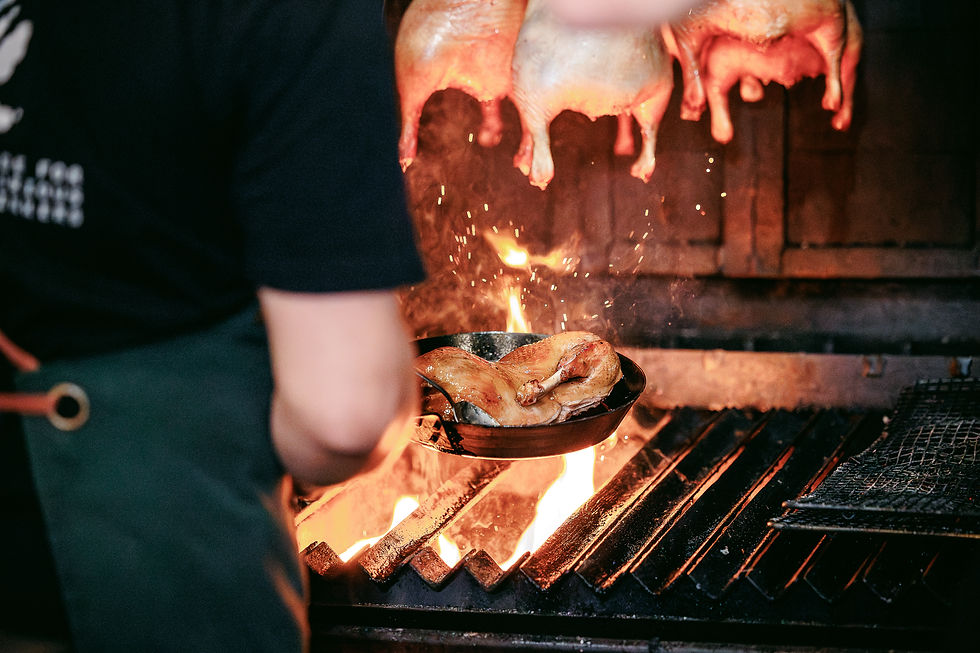
Around the world, chefs are experimenting with koji to enhance their ingredients in new ways.
Koji can be used to:
age meat and intensify flavour
create rich, savoury marinades
develop natural sweetness in vegetables
boost umami in sauces and dressings
accelerate flavour development during fermentation
Some chefs compare its impact to discovering a new seasoning. Others describe it as a way to transform familiar ingredients into something more complex.
Why distillers are embracing koji
While chefs may be the newest converts, distillers have understood the value of koji for centuries.
Traditional Japanese Shochu (like our Koji Spirits) production relies on koji to convert starches into fermentable sugars.
But koji's role goes far beyond simply making fermentation possible.
Different strains can influence aroma, texture and flavour of the spirit. Depending on how it is used, koji can contribute fruity notes, floral characteristics, earthy complexity, sweetness or rich savoury depth.
Every decision surrounding koji selection influences the final spirit.
This is one of the reasons shochu is such a fascinating category. Unlike many spirits where flavour primarily comes from ageing or botanical additions, Shochu derives much of its character from the fermentation process itself.
Why shochu and koji are inseparable
Shochu is traditionally produced using ingredients such as rice, barley or sweet potato. Unlike the malted barley used in whisky production, these ingredients require assistance to unlock their fermentable sugars.
So that's where koji comes in.
The enzymes produced by koji break down starches into sugars that can ferment into alcohol. At the same time, koji contributes flavour that helps define the finished spirit.
Without koji, traditional Shochu production would not be possible and Koji Spirits wouldn't exist.
From Japan to Bright: our journey with koji
Here at Reed & Co Distillery, koji is more than an ingredient. It's a source of inspiration.
As chefs, Rachel and Hamish have long been fascinated by flavour, fermentation and the ways simple ingredients can be transformed.
Our Koji Spirits range was born from a desire to explore the possibilities of koji, while introducing more people to the flavours and traditions that have made Japanese fermentation so influential.
Through Koji Bird and our wider Koji Spirits collection, we continue to experiment, learn and share what makes koji so special.
Frequently Asked Questions
What is koji?
Koji is a beneficial mould called Aspergillus oryzae that is grown on grains such as rice or barley. It produces enzymes that convert starches into sugars, making it essential for producing shochu, sake, miso and soy sauce.
Is koji a fungus?
Yes. Koji is a cultivated mould that has been safely used in Japanese food and drink production for centuries. It is carefully grown under controlled conditions and is completely different from harmful household moulds.
Why is koji important in shochu?
Koji provides the enzymes needed to convert starch into fermentable sugars. Without koji, traditional shochu production would not be possible.
What foods use koji?
Koji is used to make shochu, sake, miso, soy sauce, amazake and many modern fermented foods. Increasingly, chefs are also using koji to develop deeper flavours in meat, vegetables and sauces.
Can you taste koji?
Not directly. Rather than adding a distinct flavour of its own, koji creates the sugars and amino acids that produce the complex aromas, sweetness and umami found in many Japanese foods and spirits.

